10 Easiest Countries for Americans to Move To in 2026
Discover the 10 easiest countries for Americans to relocate to in 2026, from Portugal's D7 visa to Mexico's 180-day stay. Learn visa requirements, costs, and how establishing Florida domicile eliminates state income tax.



Dreaming of packing your bags and moving abroad? Whether you're seeking adventure, lower living costs, better weather, or the freedom to work remotely from anywhere, moving to another country has never been more accessible for Americans.
But here's the reality: while the romantic idea of living abroad is appealing, the logistics of visas, residency requirements, and tax implications can feel overwhelming.
The good news? There are countries that make it remarkably easy for Americans to relocate—whether for a few months or potentially long-term. Some offer visa-free stays, others have streamlined digital nomad visas, and many provide straightforward paths to temporary or permanent residency.
This comprehensive guide breaks down the 10 easiest countries for Americans to move to in 2026, covering visa requirements, cost of living, quality of life, and most importantly—how to handle your US tax obligations while living abroad.
Plus: We'll show you how establishing Florida domicile before you leave can eliminate state income tax entirely, saving you thousands annually while you explore the world.
What Makes a Country "Easy" for Americans to Move To?
Before diving into specific countries, let's define what makes relocation "easy":
✅ Visa-free entry or simple visa process (minimal bureaucracy)
✅ Extended stay allowances (6+ months without complex renewals)
✅ English widely spoken (easier daily life and navigation)
✅ Affordable cost of living (stretch your dollars further)
✅ Good internet infrastructure (essential for remote work)
✅ Established expat communities (support networks and resources)
✅ Political stability and safety (peace of mind)
✅ Healthcare accessibility (quality medical care available)
The countries in this guide excel in most or all of these categories.
Critical Tax Considerations Before You Move
Before we explore specific countries, there's one thing every American must understand:
Moving abroad does NOT eliminate your US tax obligations.
The US Citizenship-Based Taxation System
Unlike almost every other country, the United States taxes based on citizenship, not residency. According to the IRS, all US citizens must file annual tax returns and report worldwide income regardless of where they live.
This means:
- Living in Portugal doesn't exempt you from US federal taxes
- Working remotely from Thailand doesn't change your filing requirements
- Earning income in Mexico is still taxable by the US
State Taxes: The Hidden Cost
While federal taxes are unavoidable, state taxes can be eliminated—but only if you take action before leaving.
The problem: If you maintain domicile in a high-tax state like California, New York, or Massachusetts, that state can continue taxing your worldwide income even after you move abroad.
Example:
- Sarah moves from California to Portugal
- She doesn't change her legal domicile
- She earns $100,000/year remotely
- California still taxes her at 9.3% = $9,300/year
- Over 5 years abroad: $46,500 in unnecessary state taxes
The solution: Establish domicile in a tax-free state like Florida before moving abroad.
With Florida domicile:
- $0 state income tax (vs California's $9,300/year)
- Annual savings: $9,300
- 5-year savings: $46,500
Related: Do Digital Nomads Have to Pay State Taxes?
How NomadPilot Solves This
Before you board that plane to your dream country, establish Florida domicile through NomadPilot:
✅ Get Florida residential address (passes bank/DMV verification)
✅ Signed lease agreement for proof of residency
✅ Mail forwarding worldwide (never miss important documents)
✅ Step-by-step domicile establishment guidance
✅ File Declaration of Domicile (legal record of Florida as permanent home)
✅ Eliminate state income tax permanently
One-time setup, lifetime savings: NomadPilot Florida Residency
Now, let's explore the 10 easiest countries to move to.
The 10 Easiest Countries for Americans to Move To
1. Portugal 🇵🇹

Visa situation: D7 Passive Income Visa or Digital Nomad Visa
Initial stay: Up to 1 year (renewable)
Path to residency: Yes, relatively straightforward
English level: Moderate-High in cities
Cost of living: Moderate (€1,200-2,000/month)
Best for: Digital nomads, retirees, those seeking European lifestyle
Why Portugal Is Easy
Portugal has become the #1 destination for American expats in Europe, and for good reason:
D7 Visa (Passive Income Visa):
- Designed for retirees, remote workers, and investors
- Requires proof of passive income (~€760/month minimum)
- Processing time: 2-4 months
- Renewable annually, path to permanent residency after 5 years
- Can apply from US before moving
Digital Nomad Visa:
- Launched in 2022 specifically for remote workers
- Requires income of €3,040/month (~$3,300)
- Valid for 1 year, renewable for 5 years total
- Can bring family members
Why Americans love Portugal:
- Affordable European lifestyle (especially outside Lisbon/Porto)
- Excellent healthcare system
- Safe, stable country with low crime
- Beautiful coastline and temperate climate
- Growing English-speaking expat community
- Easy access to rest of Europe
- Golden Visa option for investors
Cost of living:
- Lisbon/Porto: €1,500-2,500/month
- Smaller cities: €1,000-1,500/month
- Healthcare: Public system or private insurance (~€50-100/month)
Downsides:
- Housing market has gotten competitive in Lisbon
- Portuguese bureaucracy can be slow
- Learning Portuguese helps significantly
How to start: Apply for D7 or Digital Nomad visa from the US through Portuguese consulate.
2. Mexico 🇲🇽

Visa situation: 180-day tourist visa (visa-free entry)
Initial stay: Up to 180 days
Path to residency: Temporary residency visa available
English level: Moderate in tourist areas, lower elsewhere
Cost of living: Low-Moderate ($1,000-2,500/month)
Best for: Digital nomads, retirees, those seeking affordable lifestyle
Why Mexico Is Easy
Mexico is arguably the easiest country for Americans to move to for several reasons:
No visa required for initial entry:
- Get 180-day tourist permit (FMM) at border/airport
- Free, automatic process
- Can extend or leave/re-enter (though not recommended long-term)
Temporary Residency (if staying longer):
- Apply at Mexican consulate in US
- Requires proof of income ($2,595/month) or savings ($43,000)
- Valid for 1 year, renewable up to 4 years
- After 4 years, eligible for permanent residency
Why Americans love Mexico:
- Incredibly close to US (2-hour flights from many cities)
- Massive, established expat communities
- Extremely affordable (world-class lifestyle for $1,500-2,000/month)
- Amazing food culture
- Beautiful beaches (Playa del Carmen, Tulum) and colonial cities (San Miguel de Allende, Oaxaca)
- Excellent private healthcare at fraction of US costs
- Fast internet in major cities
Cost of living:
- Mexico City, Playa del Carmen: $1,500-2,500/month
- Smaller cities (Oaxaca, Guanajuato): $1,000-1,500/month
- Healthcare: Excellent private care, ~$50-150/month insurance
Downsides:
- Safety varies by region (research specific areas)
- Learning Spanish is important
- Tourist visa can't be renewed indefinitely (need temporary residency for long-term)
Tax note: Mexico has tax residency rules—staying 183+ days can create Mexican tax obligations. Consult tax professional.
3. Thailand 🇹🇭

Visa situation: Multiple options (60-day visa exempt, tourist visa, special visas)
Initial stay: 60 days (extendable)
Path to residency: Difficult for most (Elite Visa option)
English level: Moderate in cities/tourist areas
Cost of living: Low ($800-2,000/month)
Best for: Digital nomads, location-independent workers, retirees
Why Thailand Is Easy
Thailand has been a digital nomad hub for over a decade, offering incredible value and quality of life:
Visa options:
Visa Exempt Entry: 60 days (free for US citizens as of 2024)
Tourist Visa: 60 days, extendable to 90 days
Multiple Entry Tourist Visa: 6 months validity (60 days per entry)
Elite Visa: 5-20 year visa (expensive but comprehensive)
Long-Term Resident (LTR) Visa: For remote workers earning $80k+/year
Why Americans love Thailand:
- Extremely affordable ($1,000-1,500/month for excellent lifestyle)
- World-class food at street-food prices
- Modern cities (Bangkok) with amazing infrastructure
- Peaceful northern cities (Chiang Mai) with digital nomad communities
- Beautiful islands and beaches (Phuket, Koh Samui)
- Excellent healthcare at low cost
- Safe, welcoming culture
- Fast, cheap internet everywhere
Cost of living:
- Bangkok: $1,200-2,000/month
- Chiang Mai: $800-1,300/month
- Islands: $1,000-1,800/month
- Healthcare: World-class private hospitals, ~$50-100/month insurance
Downsides:
- Visa runs/extensions required for long-term stay
- Hot, humid climate year-round
- Language barrier outside tourist areas
- Air quality issues in Chiang Mai (burning season)
Strategy: Combine 60-day visa exempt entries with tourist visas for 6-9 month stays, or invest in Elite Visa for 5+ years.
4. Costa Rica 🇨🇷
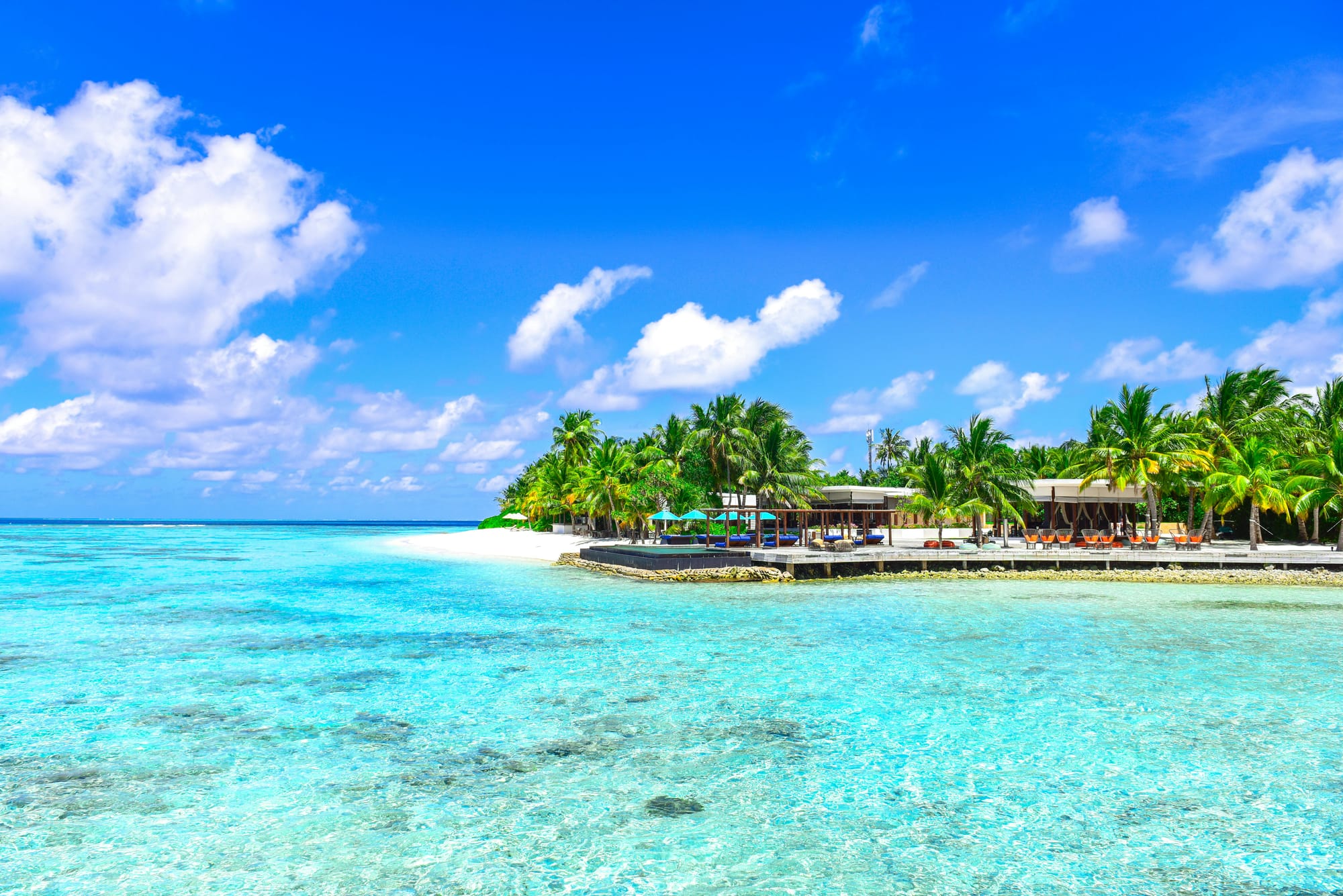
Visa situation: 90-day visa-free entry
Initial stay: 90 days (extendable)
Path to residency: Pensionado or rentista visas available
English level: High (widely spoken)
Cost of living: Moderate ($1,500-2,500/month)
Best for: Eco-conscious travelers, retirees, families
Why Costa Rica Is Easy
Costa Rica is one of the most American-friendly countries in Latin America:
Visa-free entry: 90 days, can extend 90 more or do "border runs"
Residency options:
- Pensionado (Retiree): $1,000/month pension income
- Rentista: $2,500/month passive income for 2 years
- Digital Nomad: New program for remote workers
Why Americans love Costa Rica:
- "Pura Vida" lifestyle (relaxed, happy culture)
- Political stability (no army since 1949)
- Exceptional natural beauty (beaches, rainforests, volcanoes)
- Strong healthcare system
- High English proficiency
- Direct flights from most major US cities
- Large, established expat community
Cost of living:
- San José, beach towns: $1,500-2,500/month
- Smaller areas: $1,200-1,800/month
- Healthcare: Quality public (CAJA) and private options
Downsides:
- More expensive than Mexico or Thailand
- Rainy season lasts 6+ months
- Internet can be spotty outside major areas
- Import taxes make cars expensive
5. Spain 🇪🇸

Visa situation: Digital Nomad Visa (2023) or Non-Lucrative Visa
Initial stay: 90 days visa-free (Schengen), then apply for visa
Path to residency: Yes
English level: Moderate (higher in Barcelona, Madrid)
Cost of living: Moderate-High (€1,200-2,500/month)
Best for: Digital nomads, those seeking European culture
Why Spain Is Easy
Spain's new Digital Nomad Visa makes it one of Europe's most accessible countries:
Digital Nomad Visa (launched 2023):
- For remote workers employed by non-Spanish companies
- Requires income of €2,334/month (~$2,540)
- Valid for 1 year, renewable up to 5 years
- Family members can join
- Can work up to 20% for Spanish companies
Non-Lucrative Visa:
- For those with passive income
- No work permitted in Spain
- Requires ~€2,400/month income
- Path to permanent residency
Why Americans love Spain:
- Rich culture, history, and architecture
- Excellent food and wine
- Mediterranean climate
- World-class healthcare
- Safe, modern cities
- Easy weekend trips throughout Europe
- Growing digital nomad scene (Barcelona, Valencia)
Cost of living:
- Barcelona, Madrid: €1,800-2,800/month
- Valencia, Seville: €1,200-2,000/month
- Healthcare: Public system or private (~€50-150/month)
Downsides:
- Higher cost than Latin America or Southeast Asia
- Spanish language important outside tourist areas
- Bureaucracy can be challenging
6. Colombia 🇨🇴
Visa situation: 90-day visa-free entry
Initial stay: 90 days (extendable to 180 days total/year)
Path to residency: Possible with various visa types
English level: Low-Moderate
Cost of living: Low ($800-1,800/month)
Best for: Digital nomads, adventure seekers, budget-conscious travelers
Why Colombia Is Easy
Colombia has transformed into one of South America's top expat destinations:
Visa-free entry: 90 days, can extend another 90 days (180 days total per calendar year)
Longer-term options:
- Digital Nomad Visa: For remote workers
- Migrant Visa (M-type): Various categories for longer stays
- Resident Visa after 5 years
Why Americans love Colombia:
- Extremely affordable with high quality of life
- Year-round spring weather (Medellín, "City of Eternal Spring")
- Vibrant, welcoming culture
- Growing tech/startup scene
- Amazing coffee culture
- Safe in major cities (improved significantly)
- Strong expat communities (Medellín, Bogotá, Cartagena)
Cost of living:
- Medellín, Bogotá: $1,000-1,800/month
- Smaller cities: $700-1,200/month
- Healthcare: Excellent private care, ~$50-100/month
Downsides:
- Spanish essential for daily life
- Some safety concerns (research neighborhoods)
- Infrastructure varies outside major cities
7. Croatia 🇭🇷
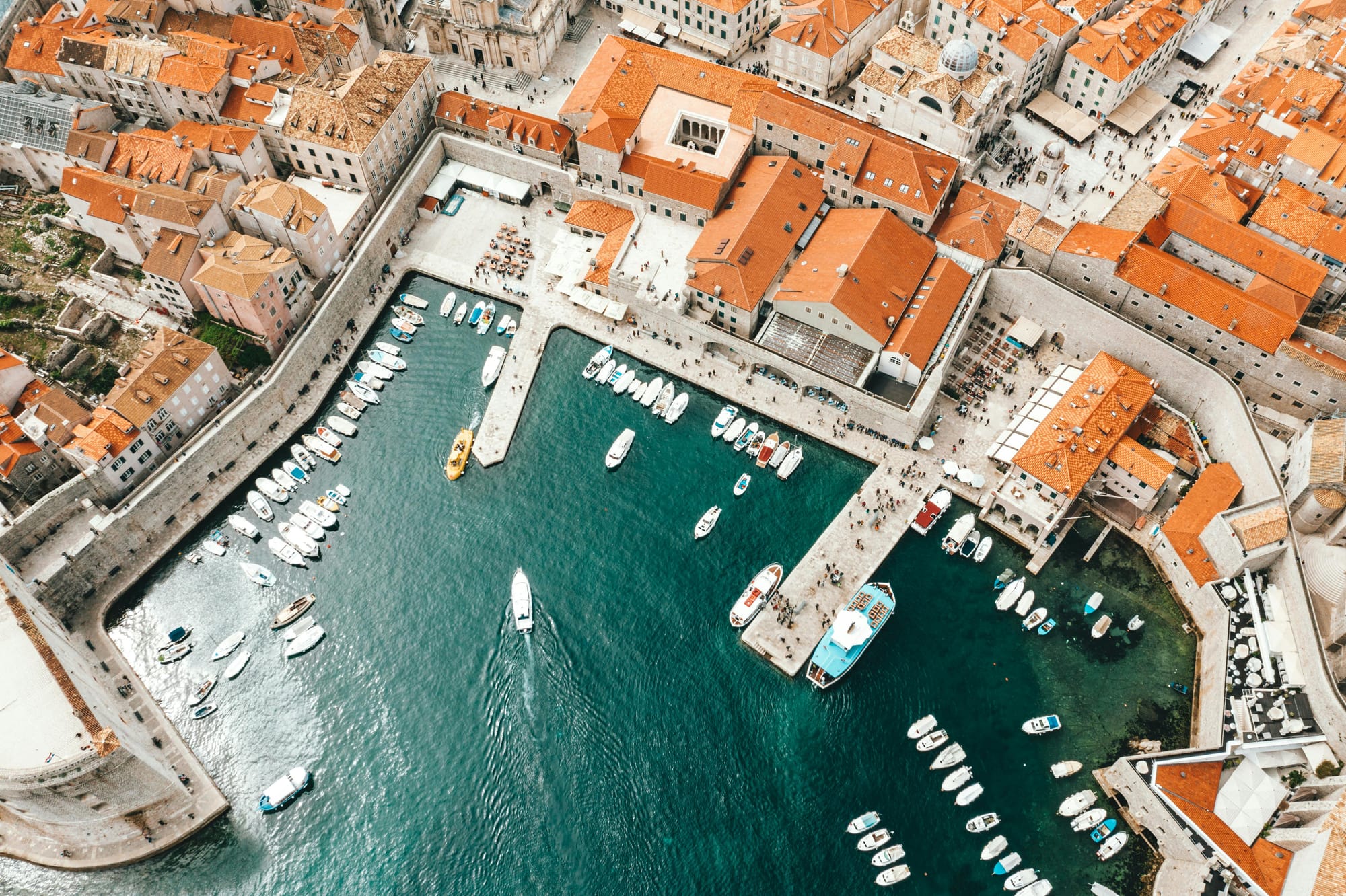
Visa situation: 90 days in 180-day period (Schengen)
Initial stay: 90 days
Path to residency: Digital Nomad Visa available
English level: High (especially in tourist areas)
Cost of living: Moderate (€1,000-2,000/month)
Best for: European lifestyle seekers, digital nomads
Why Croatia Is Easy
Croatia combines stunning Mediterranean beauty with EU membership and reasonable costs:
Digital Nomad Visa:
- For remote workers
- Valid for 1 year
- Requires proof of monthly income (€2,300+)
- Can bring family
Schengen access: 90 days visa-free, plus ability to stay longer with digital nomad visa
Why Americans love Croatia:
- Breathtaking Adriatic coast
- Rich history and culture
- Affordable EU country
- Excellent food and wine
- Safe, modern infrastructure
- Growing digital nomad community
- Easy access to rest of Europe
Cost of living:
- Zagreb, Split: €1,200-2,000/month
- Smaller towns: €800-1,300/month
- Healthcare: Quality public and private systems
Downsides:
- Schengen 90/180 day rule limits non-visa stays
- Tourist areas crowded in summer
- Croatian language useful
8. Ecuador 🇪🇨

Visa situation: 90-day visa-free entry
Initial stay: 90 days
Path to residency: Relatively easy with pensioner or investor visas
English level: Low
Cost of living: Very Low ($800-1,500/month)
Best for: Budget travelers, retirees, nature lovers
Why Ecuador Is Easy
Ecuador has long been a favorite among American retirees and is growing with digital nomads:
Visa-free: 90 days, extendable to 180 days/year
Residency visas:
- Pensioner Visa: $800/month pension income (plus $100/dependent)
- Professional Visa: For those with recognized degree
- Investor Visa: $40,000+ investment
Why Americans love Ecuador:
- Uses US dollar (no currency exchange)
- Incredibly affordable
- Diverse geography (Amazon, Andes, beaches, Galápagos)
- Excellent healthcare at low cost
- Strong expat communities (Cuenca, Quito, Salinas)
- Mild climate year-round in highlands
Cost of living:
- Cuenca, Quito: $1,000-1,600/month
- Coastal areas: $800-1,300/month
- Healthcare: Quality care, ~$70-100/month insurance
Downsides:
- Spanish essential
- Internet quality varies
- Political instability at times
9. Malta 🇲🇹
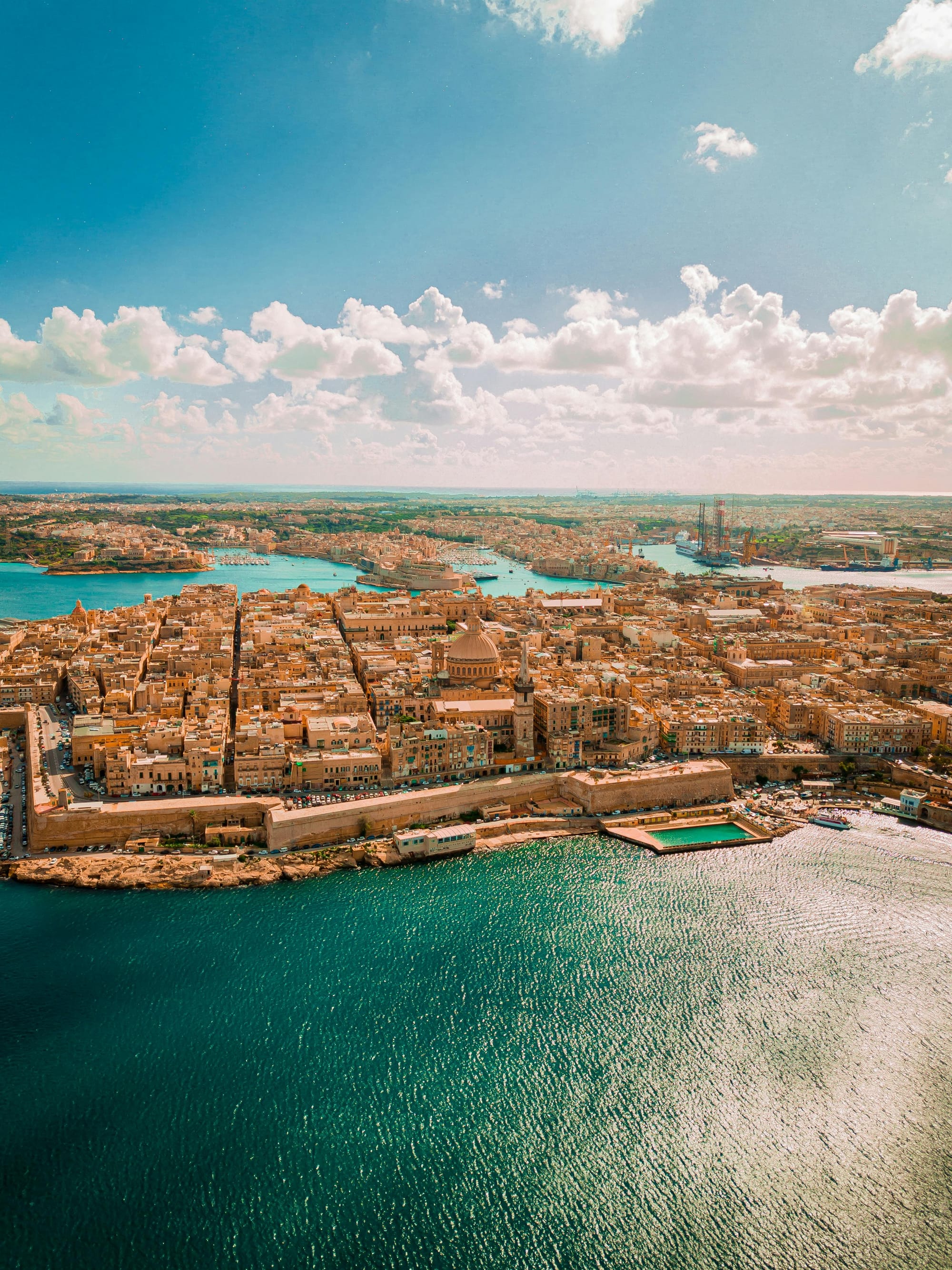
Visa situation: 90 days visa-free (Schengen), Digital Nomad Residence Permit available
Initial stay: 90 days
Path to residency: Digital Nomad Visa, investor programs
English level: Very High (official language)
Cost of living: Moderate-High (€1,500-2,500/month)
Best for: English speakers, EU access seekers, remote workers
Why Malta Is Easy
Malta offers the rare combination of EU membership, English as an official language, and Mediterranean lifestyle:
Nomad Residence Permit:
- For remote workers from non-EU countries
- Valid for 1 year (renewable up to 3 years)
- Requires income of €2,700/month
- Family members can join
- Live in EU while working remotely
Why Americans love Malta:
- English is official language (no language barrier!)
- Tiny island = everything accessible
- Beautiful Mediterranean climate
- Rich history (temples older than pyramids)
- EU member state benefits
- Low crime, very safe
- Growing expat community
Cost of living:
- Valletta, Sliema: €1,800-2,800/month
- Smaller towns: €1,300-2,000/month
- Healthcare: EU-standard quality
Downsides:
- Small island can feel limiting
- Hot summers
- More expensive than Eastern Europe
- Limited nature/outdoor activities
10. Uruguay 🇺🇾

Visa situation: 90-day visa-free entry
Initial stay: 90 days
Path to residency: Straightforward temporary residency
English level: Low-Moderate
Cost of living: Moderate ($1,200-2,200/month)
Best for: Those seeking stability, safety, progressive culture
Why Uruguay Is Easy
Uruguay is South America's hidden gem—stable, progressive, and welcoming:
Visa-free: 90 days, renewable
Residency:
- Apply for temporary residency while in Uruguay
- No income requirements (must show means to support yourself)
- Relatively quick process (2-6 months)
- After 5 years, eligible for citizenship
Why Americans love Uruguay:
- Most stable, safe country in South America
- Progressive politics and culture
- Excellent healthcare system
- Beautiful beaches and countryside
- Low corruption
- Relaxed lifestyle
- Growing expat community (Montevideo, Punta del Este)
Cost of living:
- Montevideo: $1,500-2,500/month
- Smaller cities: $1,000-1,700/month
- Healthcare: Good public and private options
Downsides:
- More expensive than most Latin American countries
- Spanish essential
- Limited international flights
- Can feel quiet/slow for some
Quick Comparison: The 10 Easiest Countries
| Country | Visa-Free Stay | Cost/Month | Best For |
|---|---|---|---|
| Portugal | 90 days (+ easy visas) | $1,300-2,200 | European lifestyle |
| Mexico | 180 days | $1,000-2,500 | Close to US, affordable |
| Thailand | 60 days (extendable) | $800-2,000 | Budget, digital nomads |
| Costa Rica | 90 days | $1,500-2,500 | Nature, families |
| Spain | 90 days (+ DN visa) | $1,300-2,700 | Culture, EU access |
| Colombia | 90 days (to 180/year) | $800-1,800 | Budget, adventure |
| Croatia | 90 days (+ DN visa) | $1,100-2,000 | EU, coast, culture |
| Ecuador | 90 days | $800-1,500 | US dollar, low cost |
| Malta | 90 days (+ DN visa) | $1,600-2,800 | English speakers, EU |
| Uruguay | 90 days | $1,200-2,200 | Stability, safety |
The Critical Tax Planning Step: Establish Florida Domicile First

Before you move to any of these countries, take one crucial step that will save you thousands of dollars annually: establish Florida domicile.
Why This Matters
Without Florida domicile:
- Your current state can continue taxing worldwide income
- California, New York, Massachusetts residents pay 5-13% state tax
- On $100,000 income = $5,000-$13,000/year in state taxes
- Over 5 years abroad = $25,000-$65,000 in unnecessary taxes
With Florida domicile:
- $0 state income tax
- Keep 100% of those savings
- Simple one-time setup before you leave
The Process Is Simple
1. Get Florida residential address (via NomadPilot)
2. Visit Florida for 3-5 days
- Get Florida driver's license
- File Declaration of Domicile
- Register to vote (optional)
3. Update all addresses to Florida
4. File final return with old state
5. Never pay state income tax again
How NomadPilot Makes It Effortless
Florida residential address: Real street address (not PO Box) that passes bank/DMV verification
Signed lease agreement: Proof of residency for banks, DMV, IRS
Mail forwarding worldwide: Scan and forward mail to wherever you are (Portugal, Thailand, Mexico, anywhere)
Declaration of Domicile support: Legal document establishing Florida as permanent home
Step-by-step guidance: Complete checklist for domicile establishment
Tax professional network: CPAs experienced in international situations
One-time setup fee, lifetime savings: Investment pays for itself in 1-2 months of tax savings
Learn more: NomadPilot Florida Residency Services
Additional Tax Considerations for Americans Abroad
Even with Florida domicile eliminating state taxes, you still have federal tax obligations:
Foreign Earned Income Exclusion (FEIE)
Exclude up to $126,500 (2024) of foreign earned income from federal taxes.
Requirements:
- Meet Physical Presence Test (330 days abroad in 12 months)
- Or Bona Fide Residence Test (tax resident of foreign country)
File Form 2555 with your federal return.
Foreign Tax Credit (FTC)
If you pay income tax to your host country, claim a credit against US taxes.
When to use: Better than FEIE if foreign tax rate is similar/higher than US rate.
Foreign Housing Exclusion
Exclude certain housing expenses beyond base amount.
Combined strategy: Use FEIE + Foreign Housing Exclusion + Florida domicile for maximum tax efficiency.
Related: Why 'Tax-Free Countries' Don't Mean Tax-Free for Americans
Practical Tips for Moving Abroad Successfully
Before You Leave
✅ Establish Florida domicile (eliminate state taxes)
✅ Notify banks you'll be abroad (prevent card freezes)
✅ Set up international banking (Wise, Revolut for multi-currency)
✅ Get international health insurance (SafetyWing, World Nomads, or local coverage)
✅ Digitize important documents (passport, licenses, insurance)
✅ Arrange mail forwarding (NomadPilot or similar service)
✅ Research visa requirements thoroughly for your chosen country
✅ Join expat Facebook groups for your destination
After Arrival
✅ Get local SIM card or international plan
✅ Find accommodation (Airbnb short-term, then local rentals)
✅ Join expat communities (InterNations, local groups)
✅ Learn basic local phrases (even if English is spoken)
✅ Register with US embassy (Smart Traveler Enrollment Program)
✅ Find local healthcare providers
✅ Establish local banking if staying long-term
✅ Build local network (coworking spaces, meetups)
Ongoing Compliance
✅ File US federal taxes annually (deadline April 15, automatic extension to June 15 for expats)
✅ Report foreign bank accounts (FBAR if over $10,000)
✅ Track days abroad (for FEIE qualification)
✅ Maintain Florida address (via mail forwarding)
✅ Keep receipts/documentation for tax deductions
✅ Monitor visa expiration dates
✅ Stay informed on local law changes
Common Questions About Moving Abroad as an American
Do I have to pay US taxes if I live abroad?
Yes. All US citizens must file annual federal tax returns regardless of where they live. However, Foreign Earned Income Exclusion can exclude up to $126,500 of earned income. State taxes can be eliminated by establishing Florida domicile.
Can I work remotely for a US company while living abroad?
Generally yes, if your employer allows it. Many companies now permit remote work from anywhere. However, check: (1) employer policies, (2) visa restrictions in host country, (3) potential tax implications in host country.
How do I get mail while living abroad?
Use a mail forwarding service like NomadPilot. They receive your mail at a Florida address, scan it, and forward important items to you anywhere in the world.
Will I lose my health insurance if I move abroad?
Most US health insurance doesn't cover care abroad (except emergencies). Options: international health insurance (SafetyWing, GeoBlue), local insurance in host country, or travel insurance with medical coverage.
Can I collect Social Security while living abroad?
Yes, in most countries. The Social Security Administration allows payments to be sent to most countries. Some restrictions apply for certain countries.
Do I need to tell my bank I'm moving abroad?
Yes. Notify your banks you'll be abroad to prevent fraud alerts blocking your cards. Some banks may close accounts for customers with permanent foreign addresses, so maintaining a US address (Florida via NomadPilot) is crucial.
How long can I stay in each country?
It varies: Mexico (180 days), Thailand (60 days extendable), most Schengen countries (90 days in any 180-day period). Check specific visa rules for your chosen country.
What if I want to return to the US eventually?
Having Florida domicile makes it easy—you already have a legal US address. You can return anytime and continue using your Florida driver's license and address.
Can my family come with me?
Most countries allow family members on dependent visas if you have the primary visa. Requirements vary by country—Portugal, Spain, and Croatia have good family visa options.
Conclusion: The World Is More Accessible Than Ever
Moving abroad as an American has never been easier. Whether you're drawn to Portugal's European charm, Thailand's affordability, Mexico's proximity, or Spain's culture, these 10 countries provide straightforward paths for relocation.
The key takeaways:
✅ Choose the right country for your priorities (budget, lifestyle, climate, visa ease)
✅ Establish Florida domicile FIRST (eliminate state income tax, save thousands annually)
✅ Understand US federal tax obligations (FEIE, FBAR, annual filing requirements)
✅ Plan logistics carefully (mail forwarding, banking, health insurance, documentation)
✅ Join expat communities (support networks make transitions smoother)
✅ Stay compliant (taxes, visas, registrations)
Don't let state taxes eat into your international adventure budget.
Take action now:
- Choose your destination from the 10 countries above
- Establish Florida domicile through NomadPilot
- Plan your move with proper visa research
- Book your ticket and start your adventure
Ready to eliminate state income tax before your move abroad?
Visit NomadPilot.io to establish Florida domicile, get your residential address, mail forwarding, and complete tax guidance—everything you need to move abroad with financial confidence.