Do Digital Nomads Have to Pay State Taxes?
Do digital nomads have to pay state taxes? Learn how domicile works, when states can still tax you while traveling, and how to reduce risk legally.

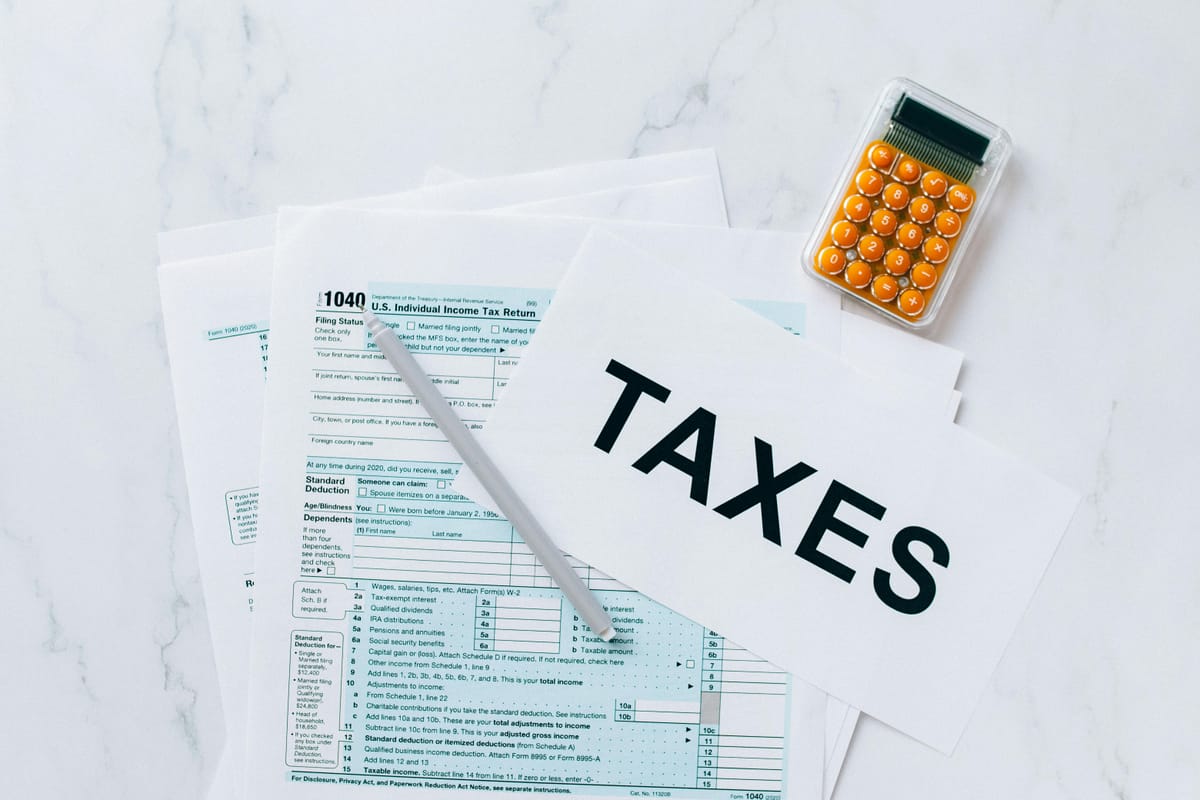
Digital nomads often assume that living abroad or traveling full-time means they don’t owe state taxes anymore.
That assumption can get expensive.
In the U.S., your federal tax situation might change based on where you live and work (and whether you qualify for exclusions like the FEIE), but state taxes are a separate issue—and states care a lot about where you’re legally domiciled.
This guide explains digital nomad state taxes, what happens with state taxes while traveling, and how to think about avoiding state income tax legally without doing anything sketchy.
Quick Answer: Yes, Many Digital Nomads Still Owe State Taxes
You may owe state income taxes if:
- you’re still considered a resident of a state (domicile)
- you maintain strong ties to that state
- you earn income sourced to that state
- you didn’t properly establish residency elsewhere
Traveling doesn’t automatically “cancel” state taxes. States typically look at domicile + intent + evidence.
What Determines State Taxes for Digital Nomads?
1) Domicile
Domicile is your permanent legal home—the state you consider your “real” home, even if you’re rarely there.
If you keep domicile in a high-tax state, you may still be liable for state taxes while traveling.
2) Statutory Residency (in some states)
Some states have rules that treat you as a resident if you:
- spend enough days in the state, and/or
- maintain a permanent place of abode there
Even nomads can accidentally trigger this if they bounce back frequently or keep a home.
3) Source Income
Even if you’re not a resident, you can owe taxes to a state if you earn income sourced to that state (commonly from:
- in-state employment
- rental property
- business activity nexus)
“But I’m Not Living in Any State”
This is the most common misunderstanding.
Not choosing a state doesn’t make you tax-free. It often does the opposite:
- you default back to your last state
- you leave ambiguity that states exploit
- you make banking, licensing, and compliance harder
A clean legal home base reduces risk.
How States Decide If You’re Still a Resident
States don’t just look at where you’re physically located. They look at signals:
- driver’s license state
- voter registration
- primary mailing address
- vehicle registration
- where your bank statements go
- where your doctor/dentist is
- where dependents live
- where you own or rent property
- where your business is registered
- which state you return to between trips
If those signals point to a state, that state may argue you’re still a resident.
Avoiding State Income Tax Legally (What That Actually Means)
Let’s be precise. Legally avoiding state income tax generally means:
- establishing domicile in a state with no income tax (or a lower-tax state), and
- severing residency ties with your prior state, and
- maintaining consistent records to support your new domicile.
It does not mean:
- “I’m traveling so I don’t owe anything”
- “I’ll just use a random mailbox”
- “I’ll say I live in Florida but keep everything else in California”
That’s how you get wrecked.
The Cleanest Approach for Digital Nomads
Most full-time travelers do best with a simple setup:
- Choose a domicile state that fits your lifestyle and tax goals
- Establish residency properly (documents + ID + records)
- Use mail forwarding to manage logistics
- Keep records consistent across government + financial institutions
Many nomads choose Florida, Texas, or South Dakota because they have:
- no state income tax
- established processes used by travelers
- infrastructure that supports mobile living
Why Florida Is a Common Choice
Florida is popular for digital nomads because it combines:
- no state income tax
- straightforward domicile steps
- widespread acceptance for residency documentation
- strong compatibility with travel + remote work logistics
If you’re building a long-term nomad lifestyle, a domicile strategy is less about “tax tricks” and more about having a stable legal base.

How NomadPilot Fits In
NomadPilot is designed for travelers who want more than a mailbox. It supports the residency side—helping you build a legitimate Florida home base with the documentation and structure needed to keep your records consistent while traveling.
FAQ
Do digital nomads automatically stop paying state taxes?
No. State taxes depend on domicile and residency ties, not just travel.
Can a state tax me if I don’t live there anymore?
Yes—if the state still considers you domiciled there or you didn’t establish residency elsewhere.
If I move to Florida, do I stop owing my old state taxes?
Often, but only if you properly change domicile and sever old-state ties.
Does a virtual mailbox establish state residency?
No. A virtual mailbox is for mail management, not domicile.